Tuesday, 3 May 2016

New 370hp Mercury diesel engine: pros and cons

http://navnitmarine.com/2011/

Mercury Diesel's new twin turbo 370hp TDI 4.2 is the first production marine engine to boast a better power-to-weight ratio than its petrol-powered equivalent.
Mercury Diesel’s new twin turbo 370hp TDI 4.2 is the first production marine engine to boast a better power-to-weight ratio than its petrol-powered equivalent. Based on the all-aluminium V8 block designed by German car manufacturer Audi for its A8 and Q8 models, this marinised 370hp powerplant is claimed to set new benchmarks for size, weight and refinement.
Tipping the scales at a mere 379kg it is over 200kg lighter than Volvo Penta’s equivalent 370hp D6 diesel engine and even undercuts Volvo’s 8.1-litre petrol V8 by 10kg. It also has a smaller footprint than any big-block petrol or diesel engine. Petrol heads will argue that the petrol engine’s higher maximum power output of 420hp evens the score but with marine engines torque is the more siginificant figure and by this yardstick the 572ft/lbs (775Nm) of torque produced by the TDI 4.2 at 2,500rpm is unmatchable.
More significantly this engine produces a punchy spread of power from 2,000rpm all the way up to 4,200rpm. Such wide power bands are unheard of for marine diesel engines with most of the good work happening between 2,000-3,000rpm. Petrol engines meanwhile suffer the opposite problem with maximum torque not kicking in until 3,000rpm.
Whatever measurement you choose, the new Mercury TDI 4.2 stacks up well against its closest diesel rivals, the Yanmar 8LV-370 and the Volvo D6 370. The Yanmar weighs in at 450kg, hits a peak torque of 590ft/lbs at 2,200rpm and is red lined at 3,800rpm. The Volvo weighs in at 580kg, reaches a higher maximum torque of 650ft/lbs at 2,000rpm but runs out of steam earlier with a red line of 3,500rpm. However, the real crunch figure for smaller sportscruisers is the 400kg weight saving which a pair of TDI 4.2s would give you over twin D6s.

New 370hp Mercury Diesel Engine 

 
Mercury Diesel attributes the TDI 4.2’s wide power delivery to the use of twin variable-vane turbochargers. As the name suggests they work by adjusting the angle of the vanes within the turbocharger to maximise boost pressure at low revs and reduce turbo lag. At low rpm the vanes close up, meaning the exhaust gas has to force its way through the small gaps at speed, causing the turbine to spin rapidly even with low exhaust gas pressure. As the revs increase, the vanes open up to maintain the same level of boost without fear of overloading. Variable-vane turbochargers have proved very effective in cars but have been problematic in some marine installations due to relative lack of use.
The long stroke construction of the engine is another torque booster. A long stroke means a long conrod increasing the amount of energy transmitted to the crankshaft. The TDI 4.2 has a stroke-to-bore ratio of 1:15 meaning the stroke is 15% longer than the bore is wide. In comparison the 370hp V8 Yanmar 8LV-370 has a stroke-to-bore ratio of 1:11. The downside of a long stroke is greater piston speed resulting in increased friction. However this problem only comes into force at engine speeds well above 5,000rpm so this will not inhibit the TDI 4.2.
The new Mercury Diesel TDI 370 is available with either a MerCruiser sterndrive or a ZF gearbox for shaftdrive applications. The sterndrive options are Bravo 1, 2 or 3 in either X or XR formats. All feature the SeaCore corrosion protection system. SmartCraft comes as standard enabling the TDI 4.2 to be interfaced with all digital Mercury instruments. DTS (digital throttle and shift) and the Axius joystick system can also be specified. Scorpion is already offering it as an engine option on its range of performance RIBs but expect many other power boatbuilders to list the TDI 4.2 as a factory-fit option soon. A 335hp version will also be available. All engines are Tier 3 compliant and available for light duty commercial as well as leisure use. Prices start at £41,000 including VAT with the Bravo 1 XR sterndrive.

To Know More About Mercury Boats and Accessories in Mumbai, India contact Navnit Marine @ 022 6677 6659

Tuesday, 26 April 2016

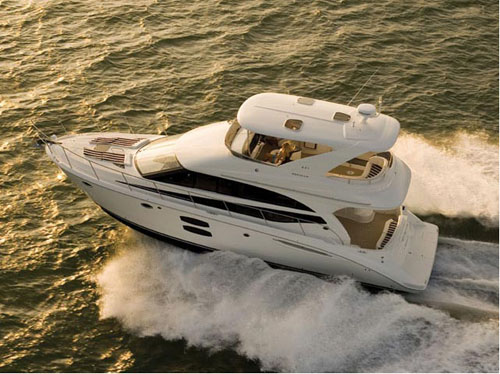
Princess 52 – Leading the Way

http://navnitmarine.com/2011/index.html

The Princess 52 shows agility as well as robust seakeeping and is an excellent advert for what a really well designed shaft installation can do.

The Princess 52 is one of a long line of successful Princess flybridge models that have benefited from five decades of experience and expertise in building some of the world’s finest motor yachts. With her contemporary design, exceptional quality and exhilarating performance she is has continued this tradition, helping keep Princess leading the way.

Out on deck the spacious cockpit is fitted with a large teak dining table and generous seating providing the perfect place to relax in the shade. A second alfresco dining table is situated on the flybridge which, with extensive seating, convertible sunbed and optional wetbar, is ideal for entertaining. Wide side decks and teak-laid steps ensure safe movement around the boat and an optional hydraulic raise/lower mechanism transforms the bathing platform into a submersible beach and operates as a simple and effective launch and recovery system for a tender.

As with all Princess craft, the attention to detail and quality of finish throughout the interior of the Princess 52, is of the highest standard, large windows fill the main deck with natural light and ensure wonderful views and excellent visibility for the lower helm. The galley is situated aft of the saloon creating a highly sociable atmosphere whether entertaining guests in the cockpit or around the large dining table inside.

Placing the galley on the main deck also allows for three very spacious and well appointed cabins below. The owner’s cabin is situated amidships enjoying panoramic windows to both sides and the forward VIP and spacious starboard twin complete the accommodation. An additional aft cabin can also be specified for crew or occasional guests if required.

Princess Yacht 52

PRINCIPLE DIMENSIONS
Length overall (incl. pulpit) 54ft 8in (16.66m)
Length overall (excl. pulpit) 53ft 8in (16.36m)
Length overall (excl. pulpit) 57ft 6in (17.53m)
Beam 15ft 7in (4.75m)
Draft 4ft 1in (1.25m)
Displacement approx 24,000 kg* (51,900 lbs) (Twin Volvo 670mhp)
Fuel capacity 520 gal/624 US gal/2,364l
Water capacity (incl. calorifier) 130 gal/156 US gal/592l

To Buy Princess Yacht 52 in Mumbai, India contact Navnit Marine @ 022 6677 6659

Tuesday, 5 January 2016

Eight Safety Tips for Boating with Children

Safety is key to a fun day on the water with friends and family. Here are seven quick safety tips:
1. Wear a life jacket. It’s not only the law in many states, but it’s also just a good idea to wear your life jacket when on the water. Before you go out, be sure that each person’s life jacket is appropriate for the boater’s weight and size.

2. Water wings, noodles, etc. While we all love playing with these swim aids or toys, it’s critical to keep in mind that these items are for entertainment only and should not be relied on to keep children or adults safe near water.


3. Remain watchful. Keep a watchful eye, especially when your children are in the water, even if they have a life jacket on.


4. Apply sunscreen. Use sunscreen with at least SPF 15 and UVA and UVB protection every time your child goes outside. For the best protection, apply sunscreen generously 30 minutes before going outdoors. Don't forget to protect ears, noses, lips, and the tops of feet AND reapply throughout the day.


5. Wear sunglasses. They protect your children's eyes from UV rays, which can lead to cataracts later in life. Look for sunglasses that wrap around and block as close to 100% of both UVA and UVB rays as possible.


6. Brings refreshments. Being on the water can quickly dehydrate adults and impacts children even faster. Be sure that you and your child are drinking ample amounts of water. Popsicles can also be a tasty, cool hydrating treat.


7. Stay warm. When we think of boating, many of think of sun and warmth; however, being on the water can turn chilly quickly. Take precautions by making sure you have the proper attire and dry towels or blankets for when the sun goes down or to recover from swimming in cool water.


8. Keep Your Mobile Phone Handy. Remember to charge and pack your cell phone (in a waterproof case) or be able to locate a phone nearby for emergencies.


To Know More About Navnit Marine - Boat Dealer In India, contact Navnit Marine @ 022 6677 6659 

Source - discoverboating.com

Tuesday, 29 December 2015

Boat Storage: Which Method Is Best for You?

While many people view boat storage as a way to protect their boat for the winter, savvy boaters see it as a way to keep the boat action-ready for the next outing - whether that outing occurs next weekend or next spring. Either way, your choice of storage method is important - it can affect domestic bliss, neighbor relations and, long term, the resale of value of your boat. You want secure storage but don’t forget: The easier it is to get your boat out of storage, the more often you’ll use it. Here, we help you weigh your options.
Outdoor Storage
Many boats spend their off hours and down months outdoors. Proper shrink-wrapping — meaning it’s both water-repellent and vented to allow moist air to escape — makes this a viable option. Owners who use tarps and ropes until their vessel looks like a rolled roast? They’re asking for a mildewy mess.
If the boat is parked open to the elements, cover upholstery to protect it from sun and weather. Beware of drains becoming plugged by leaves or other debris: a rain-filled boat can sustain structural damage, and its trailer can suffer blown tires and broken springs. Some boaters hedge this bet by erecting an awning like cover over their boat.


Indoor Storage
Storing your boat indoors is great. The boat is protected from both sun and foul weather, either of which can age it, and it’s out of the prying eyesight of thieves or vandals. Plus, the setting might be a handy spot when you want to work on the boat.


Drawback? Indoor storage can be inflexible, unless you have a multiple-vehicle garage or pole barn or can convince your spouse the boat should be in the garage and the car parked outdoors. Make sure you’ll be able to retrieve it early if you want to get a jump on the next boating season.


Storage Unit
A commercial storage facility can offer either indoor or outdoor storage, and is a great option for those who, because they live in apartments or for reasons marital or legal, can’t keep a boat at home.


A yearly lease provides the boat a home for both on- and off-seasons. You’re generally welcome to work on the boat, but check for electricity and restrictions up front. Security is usually good. An extra advantage? Many storage facilities are in high-traffic areas.


Dry-Stack Storage
It’s hard to beat dry-stack storage, because your boat is shelved away from weather, water and other things that can cause woe. Dry-stack storage takes two forms. At marinas, your boat is raised by a high-capacity forklift and stashed on a boat rack in a covered (sometimes heated) building, ready for quick retrieval when you want to go afloat — often within an hour of your call. The cost is generally competitive with a wet-slip lease, and your boat stays cleaner than if slipped or towed. Other dry-stack storage facilities are seasonal and are focused more on storage than on quick access.


To Know More About Navnit Marine - Boat Dealer In India, contact Navnit Marine @ 022 6677 6659

Tuesday, 22 December 2015

Cold Water Boating Safety And Tips

Boating season has ended but for some die-hard boating enthusiasts, the change of weather just means a change of approach for boating. 

Cold water boating can be fun and exciting, but extra precautions must be taken to ensure that safety is first with the colder weather and colder water temperatures.

If you are planning on boating in the colder weather, consider these preparation and safety tips to stay warm and safe out on the water.


Preparing for a cold water boating trip
 
Layer up

Make sure that you are wearing multiple layers to protect your skin from cold air and water. As a general rule, dress according to the water’s temperature - not the air’s. Consider base layers made of synthetic materials that wick away moisture and always wear a hat. Keep extra clothes on board in a dry pack in the case of someone going overboard.


Pack fuel for your body

Avoiding hunger and keeping hydrated is crucial to staying alert, energized, and maintaining your internal temperature. The fuel your body gets from food helps maintain homeostasis, so starving it can actually cause you to get colder easier. Pack snacks that are high in protein, pack plenty of water, and keep a thermos of something warm to drink on hand.


Wear a life jacket that fits properly

No matter what type of boating you plan on doing, wearing a properly fitted life jacket is critical in maintaining your safety on the water. A life jacket that is too loose can cause strangulation or can keep you from floating with your head above water if you were to fall unconscious. A comfortable life jacket can save your life and can double as an extra layer to keep you warm. Don’t forget to check your life jacket’s expiration date as well - materials and components do go bad over time.

Understand the effects of cold water on the body

If you or someone on board were to fall into the water it is important to know how the body reacts to being immersed in cold water. Falling into cold water is incredibly dangerous and rescue needs to swift and knowledgeable of the 4 stages of cold water immersion:

Cold shock

The instant reaction to hitting cold water is shock and panic. It is not uncommon for people who are in this situation to gasp as a reflex. If this happens underwater, choking or drowning could occur. The body also reacts to scary situations with faster heart rates, muscle spasms and hyperventilation, rendering you incapable of thinking and acting in a calm manner. During this stage it is most important to stay afloat with the help of your life jacket, try to regain control of your breathing and keep your head above water and in vision of rescuers.

Swim Failure

Within 30 minutes of being immersed in cold water it can become impossible to swim due to loss of muscle coordination. Long exposure to cold water can have a paralyzing effect on your muscles. This is why it is important that you let the life jacket keep you afloat near the boat and do not attempt to swim towards help.


Hypothermia

 After 30 minutes of being immersed in cold water your body can succumb to hypothermia, or the lowering of the body’s core temperature. This is a very dangerous situation to be in as you lose muscular function, coordination, mental function and eventually lose consciousness.


Post Rescue Collapse

Precautions still need to be taken even after an overboard victim is rescued. The surrounding cold air and the changing body position can cause blood pressure to drop, lung damage and heart issues with the cold blood from arms and legs returning to your body’s core. It is important to stay close to someone who was rescued from cold water to be able to respond to these symptoms. After rescue it is also important to seek professional medical attention as soon as possible.

How to H.E.L.P. yourself in cold water while waiting for rescue

If you are in cold water awaiting rescue, there are techniques for reducing internal heat loss and delay hypothermia. One technique is called Heat Escape Lessening Posture, or H.E.L.P. IF you are alone in the water, pull your cinch cords on your life jacket nice and snug, cross your arms tightly across your chest, bend your knees and bring them up against your chest and floating while keeping your head above water. The goal is to keep your neck, chest and groin area from losing core heat. To enhance your body’s buoyancy, kick off any heavy boots that could fill with water and weigh you down. If you are in the water with a group of people huddle together with everyone facing inwards. Link arms over shoulders and pull in close together to share heat. Small children and seniors can be placed in the center of the huddle to keep them warm.

The do’s and don'ts of cold water immersion rescue


Do…

  • Move a rescued victim to dry and warm shelter
  • Check for heartbeat and for breathing. Begin CPR if necessary
  • Remove wet clothing from the victim. Cut clothing off if a lot of movement would be required to remove them as sudden movements could cause cardiac arrest.
  • Lay victim level on their back and cover with a blanket.
  • Cover victim with dry clothing and dry blankets. If you can, also cover the head with a hat or wrapped blanket.
  • Give the victim warm liquids to drink but not hot liquids. Something with sugar is best, such as honey sweetened tea or cooled hot chocolate.

Do not…
  • Do not change the victim’s position from the position they were rescued in - this could cause the victim to suffer a stroke.
  • Do not massage or immerse the victim in hot water. This sudden change in temperature and rough handling could cause cardiac arrest.
  • Never give the victim alcohol. This thins the blood and opens veins, causing the body to lose more heat.
  • Do not apply heat to extremities like arms and legs. These body parts will be the coldest from the cold water and warming them will force the cold blood in the veins to return to critical organs such as the heart, lungs and brain. This can cause fatal lowering of the body’s core temperature.

To Know More About Navnit Marine - Boat Dealer In India, contact Navnit Marine @ 022 6677 6659

Source - jetdock.com


Wednesday, 16 December 2015

Yacht / Boat Maintenance Tips

Regular maintenance will ensure your sailing boat lasts as long as possible. Consistent Yacht and Boat servicing can aid in the prevention of major repairs or overhauls. Not to mention making sure your passengers are safe on board your boat.

Useful Boat / Yacht maintenance Tips and Tricks

Keep a simple boat maintenance schedule on board and update it regularly to stay up-to-date with your preventive routine.


Boat Cleaning and Care

Washing your boat after each trip will prevent build up of corrosive elements. Use fresh water and an environmentally friendly boat cleaning product. Waxing, oiling, and anti-fouling will all assist in protecting your boat inside and out. If your boat is left standing for a long time, invest in a cover or ask someone to regularly check and clean it.

Routine Boat Inspection

By keeping a strict boat maintenance schedule, your boat will be kept in the best condition at all times. Regular checks on ropes, general fittings, and the engine can prevent major damage from occurring. If in doubt, you should take your boat for a professional visual inspection with us at Navnit Marine.

Battery Care For Boating

Keep your battery compartment clean and free from damp. Ensure the battery is correctly charged and the fluid levels are correct.

Boat Bilge Pumps

One of a boat owner’s worst fears is for their vessel to sink. Having a properly functioning bilge pump is crucial. A properly charged battery is also essential to running the bilge pump for an extended period of time.

Electrical Components on Boats

Water and electrics do not mix! Many electrical failures on boats are due to corroded systems which haven’t been kept dry and checked regularly. You may choose to protect your electrical fittings with a water-repellant, non-conductive grease or corrosion inhibitor.

Motor Maintenance Tips

After a sailing trip it is a good idea to flush your engine and give the system a full check. Look for damage, leaks, rust or corrosion and rectify immediately to prevent further problems arising. Check the oil system for cleanliness, proper filtration, and correct levels. It is also worthwhile to inspect the cooling system.

Storing Your Boat

When you are not using your sailing boat for an extended period of time, you may opt to haul out in a dry dock or keep her in the water. There are a number of different considerations for each storage method.

For Yachts and Boats Maintenance in India, contact Navnit Marine @ 022 6677 6659

Saturday, 12 December 2015

Princess 88 To Lead 11-Boat Line-Up For London Boat Show

The Princess 88 Motor Yacht will head up an 11-strong Princess Yachts fleet heading to the Excel Centre for January’s London Boat Show. Princess Yachts has announced the full line-up of boats it will be bringing to the London Boat Show in January, with the Princess 88 leading the way as the largest of the fleet.

London Boat Show 2016

Friday, 8th January 2016 - Sunday, 17th January 2016

Princess Yachts has announced the full line-up of boats it will be bringing to the London Boat Show in January, with the Princess 88 leading the way as the largest of the fleet.

The 88ft superyacht was first launched at the 2013 Southampton Boat Show and will be one of the biggest vessel on display at the ten-day event, which runs from January 8-17.

Other notable Princess Yachts due to go on display include the recently launched V58 Open and our cover star for January the Princess S65.

It’s not all just huge new yachts, however, as the restored 1965 Princess Project 31 Charlotte, will also be exhibited, as part of the firm’s golden anniversary celebrations.

Lovingly revamped by Sarah Verey and the Princess Design Studio team, Charlotte is one of the first models ever launched by the Plymouth yard.

However, one notable omission from the list is the recently announced Princess 49, the company’s first IPS-powered flybridge, which is due for a 2016 launch.

The full Princess Yachts line-up for the 2016 London Boat Show is as follows:

  • Princess 88
  • Princess 68
  • Princess S65
  • Princess 60
  • Princess V58
  • Open Princess 56
  • Princess 52
  • Princess V48
  • Princess 43
  • Princess V39
  • Princess Project 31

To buy Princess Yachts in India, contact Navnit Marine @ 022 6677 6659

Source - MBY